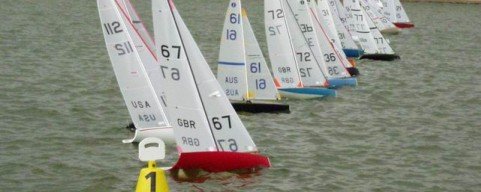
The intention of the class is to give freedom to develop the hull, keel, & rudder, but to ensure that rigs are as alike as possible. The three permitted rigs are one-design, while the hull and appendages are open to development. Displacement is 4.0 kg, LOA 1000 mm, and draft 420 mm. The large draft and the small sail area of the smallest rig permits an IOM to sail in winds up to 35 knots. The class rules conform to the ISAF standards and employ the Equipment Rules of Sailing.
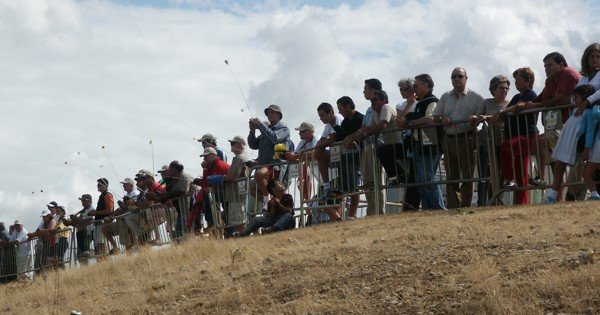
There are kits available from manufacturers in North America, Europe, and Oceania, and several manufacturers can also deliver complete boats ready for racing. There is a flourishing second-hand market in well-cared-for IOMs, which have a long competitive life and maintain their value well. The IOM ICA estimates around 15,000 IOM owners worldwide, and the class is raced in almost every country where there are radio sailors.
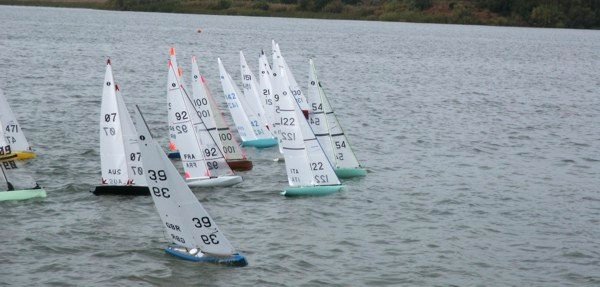
The class appeals to radio sailors who
• Have an interest in building but who do not necessarily have the skills to build unrestricted designs to a competitive standard.
• Want to race in close competition.
• Have relatively restricted budgets.
• Are interested in hull and appendage design.
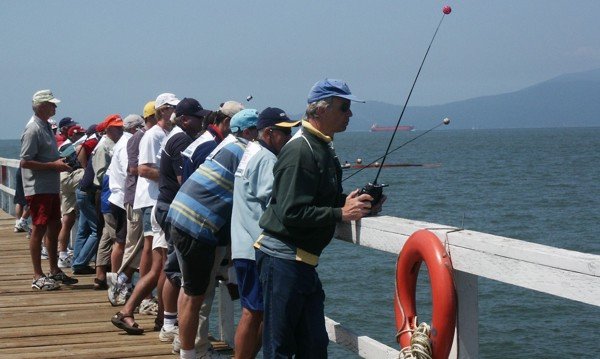
International championships are staged in alternate years, usually attracting a maximum entry. The Royal Vancouver Yacht Club staged the 2003 Worlds as part of their centenary celebrations, with the participation of sailors from 16 countries.
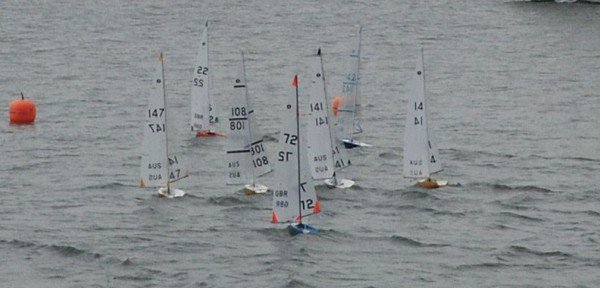
Racing takes place under the RRS and Appendix E. For a given “race”, the fleet of up to 80 boats is divided into “heats” of up to 20 boats. Heats are run in reverse order, with the top four boats in a heat being immediately promoted to race in the next higher heat. The bottom four boats are relegated and sail in the lower heat in the following race. When all heats of the race are sailed, the boats are scored in order, from the winner of “A” heat down to the last boat in the lowest heat. The next race then sails, starting as before with the lowest heat.Achieving success in IOM racing is a considerable challenge, needing a good grasp of how a boat works, detailed attention to equipment preparation, practice with tuning the boat, and all of the usual racing skills of strategy, tactics, and reading the wind. Because the boats are so closely matched in performance and the competitors have a very good view over the whole heat, racing is intensively tactical, “a game of chess on the water”.
International events, typically involving six racing days, have recently become umpired, ideally suited to the fast-paced racing, where up to 30 heats can be sailed in one day. Judges and competitors alike are enthusiastic about the opportunities to successfully manage so much close racing in every day of an event.

The IOM International Class Association is responsible for the class rules, international events, class measurers, and the recognition of National class associations. It exercises these responsibilities under the jurisdiction of the ISAF Radio Sailing Division. A World Council, comprising recognised IOM NCAs, directs the ICA. An Executive Committee manages the day-to-day activities of the ICA.
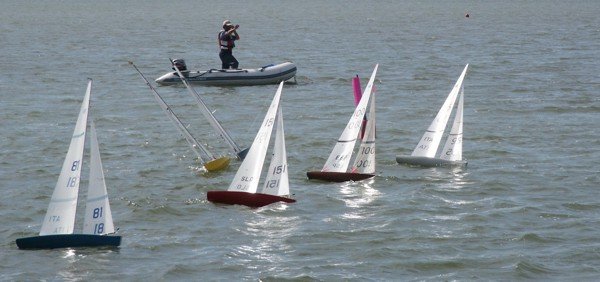
The following construction documents have been sent to the IOMICA by IOM Owners. VCInfoComms welcomes similar contributions.
These documents constitute unofficial information.Rig plan - Courtesy Anders Wallin
Rig measurements - Courtesy Anders Wallin
Sail number positions - Courtesy Anders Wallin (note rule changes effective 1.1.2005 - this document has not yet been updated !)